You Won’t Believe What I Found in Suva – A Real Cultural Deep Dive
Suva, Fiji – it’s not just palm trees and postcard views. I went looking for beaches but ended up immersed in something far richer: living culture. From bustling markets alive with iTaukei traditions to village ceremonies where time slows down, Suva surprised me at every turn. This isn’t your typical island getaway; it’s a chance to connect, understand, and experience Pacific Island life from the inside. If you're chasing authenticity, you're in the right place.
First Impressions: Stepping into Suva’s Vibrant Pulse
Traveling from Nadi to Suva by road marks a quiet but profound transition. The journey begins amid the polished resorts and sun-drenched beaches familiar to international tourists, but as the coastline curves eastward, the landscape shifts. Coconut plantations give way to dense tropical forests, roadside villages grow more frequent, and the rhythm of life becomes less choreographed for visitors. By the time you reach Suva, the capital city perched on the southeastern coast of Viti Levu, you’re no longer in the tourist bubble. You’ve entered a working city where government buildings stand beside open-air markets, and schoolchildren in crisp uniforms walk past street vendors selling fresh mango and grilled cassava.
Suva pulses with layered energy. Colonial-era buildings with wide verandas and iron roofs line the streets, remnants of British rule that ended in 1970. These blend with modern banks, boutiques, and internet cafes, creating a visual narrative of continuity and change. What stands out most, however, is the strong presence of iTaukei (indigenous Fijian) culture woven into everyday life. Men and women often wear the sulu, a wrap-around skirt that serves as both daily attire and formal wear, sometimes paired with embroidered blouses or traditional tapa cloth for ceremonies. In government offices and marketplaces alike, you’ll hear a blend of languages—English, Fijian, and Hindi—reflecting the nation’s diverse heritage shaped by indigenous roots and Indian indentured laborers brought during the colonial period.
For visitors, the first cultural cues are subtle but significant. Greetings matter. A simple ‘Bula’ (hello) with a smile opens doors more effectively than any guidebook tip. Respect for elders and community leaders is evident in body language and tone. Even in traffic, there’s a sense of communal patience—honking is rare, and drivers often wave pedestrians across. These small gestures signal a society where harmony and social cohesion are prioritized over speed and individualism. Arriving in Suva isn’t just about changing locations; it’s about adjusting your pace to match a culture that values presence over productivity.
Suva’s Heartbeat: The Municipal Market Experience
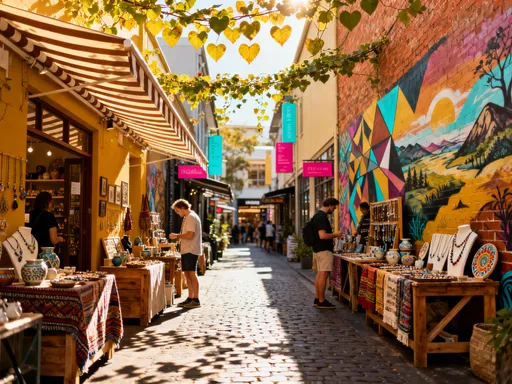
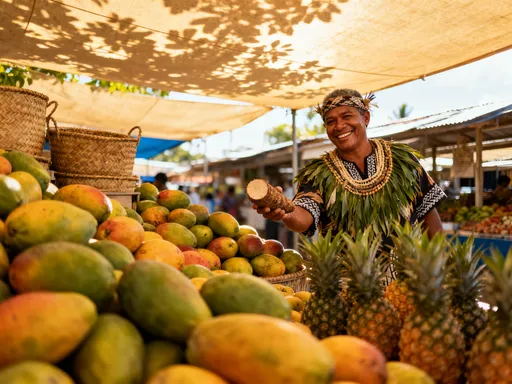
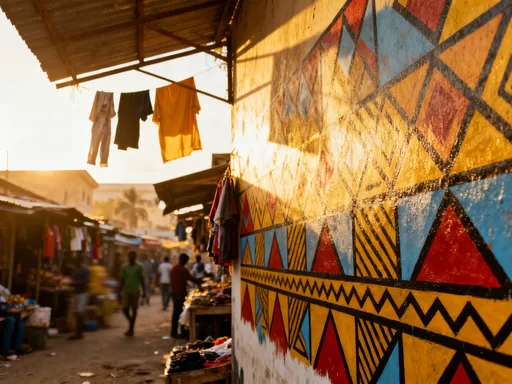
No single place captures the soul of Suva quite like the Suva Municipal Market. Located in the heart of the city, this bustling hub operates daily, with peak energy on weekends when farmers and artisans travel from outer islands and rural provinces. Stepping inside is a full-sensory immersion: the scent of ripe pineapples and earthy taro, the bright colors of fresh kava roots and crimson hibiscus flowers, the rhythmic chopping of knives on wooden boards, and the warm, overlapping chatter of vendors calling out prices and greetings.
The market is more than a place to buy food—it’s a living classroom in Fijian tradition. Rows of root crops—taro, yams, and cassava—dominate the produce section, reflecting the agricultural foundation of iTaukei life. These aren’t just staples; they carry cultural weight. In many villages, the size and quality of one’s yam harvest are measures of status and generosity. Nearby, women in wide-brimmed hats sell bundles of dalo leaves, used to wrap food in the lovo, the traditional earth oven. Others display coconut-based products: fresh coconut milk in reused bottles, coconut oil for skin and hair, and even coconut shell carvings shaped into fish or turtles.
One of the most distinctive sections is the kava trade. Kava, made from the ground root of the yaqona plant, is central to Fijian social and ceremonial life. At the market, bundles of raw root are stacked like firewood, labeled by region—each area known for slightly different potency and flavor. Watching a vendor demonstrate how to pound the root with a wooden pestle or explain the importance of soil quality reveals how deeply agriculture and ritual are intertwined. Travelers can purchase small amounts to take home, but the real value lies in understanding kava’s role: it’s not a recreational drink, but a symbol of respect, unity, and connection.
Equally revealing are the handmade crafts—woven mats, fans from palm fronds, and tapa cloth painted with natural dyes. These aren’t souvenirs churned out for tourists; many are made by women’s cooperatives and sold to support families. A brief conversation with a vendor often leads to stories about how patterns are passed down through generations or how certain designs are reserved for chiefs. The market, in essence, is where culture is not performed but lived—a place where tradition meets daily necessity, and where visitors who listen closely can gain rare insight into Fijian values of reciprocity, craftsmanship, and community.
Connecting with iTaukei Culture: Villages and Protocol
To understand Fijian culture beyond the city, visiting a nearby village is essential. Communities like Veikau, Nasinu, or Namadi are within easy reach of Suva and welcome respectful visitors through organized cultural tours. However, entering a village is not like walking into a museum—it’s stepping into a living social structure governed by custom and hierarchy. The first rule is simple: never arrive unannounced. Always coordinate through a local guide or community liaison, as permission is both a practical and spiritual requirement.
The cornerstone of village hospitality is the sevusevu ceremony, a formal presentation of kava to the chief. This ritual is often misunderstood as merely a tourist performance, but its true meaning runs deeper. The act of offering kava is a gesture of respect, humility, and goodwill. As visitors sit cross-legged in the bilo (meeting house), a spokesperson explains the purpose of the visit, then presents a small bundle of yaqona root. The chief may accept it with a blessing, after which the kava is prepared and shared. Each step—from the order of drinking to the clapping after each cup—is symbolic, reinforcing social roles and collective unity.
What makes the sevusevu powerful is its continuity. In a world of rapid change, this ritual remains a touchstone of identity. Elders pass down the chants and procedures to younger generations, ensuring that even as Fijians engage globally, they retain a core sense of belonging. Beyond ceremony, village life revolves around communal values. Homes are often arranged in clusters around a central space, meals are shared, and decisions are made collectively. Land is typically held communally, not owned individually, reflecting a worldview where people belong to the land, not the other way around.
Storytelling is another vital thread. In the evenings, families gather to recount ancestral histories, myths of migration, and lessons from the past. These oral traditions are not entertainment; they are the primary means of preserving knowledge in a culture with no written language until the 19th century. When elders speak, children listen intently, absorbing values of respect, courage, and environmental stewardship. For travelers, hearing these stories—even through translation—offers a rare window into a worldview where history is alive, and community is everything.
Arts, History, and the Fiji Museum
While village visits offer immersive cultural experiences, the Fiji Museum in Suva provides essential historical context. Located on the edge of Thurston Gardens, a lush botanical space, the museum may appear modest from the outside, but its collections are among the most important in the Pacific. Founded in 1882, it serves not just tourists but Fijian students, researchers, and cultural practitioners seeking to reconnect with their heritage.
One of the museum’s greatest strengths is its ability to present artifacts not as isolated objects but as parts of a living culture. The Lapita pottery display, for example, features shards decorated with intricate geometric patterns—some of the earliest evidence of human settlement in Fiji over 3,000 years ago. These pieces are not just ancient relics; they are linked to modern iTaukei designs seen in tapa cloth and tattoos, showing an unbroken thread of artistic expression. Information panels explain how Lapita people navigated vast ocean distances using stars and wave patterns, underscoring the seafaring expertise that defines Pacific identity.
The war club collection is another highlight. Made from dense hardwoods and often carved with ancestral faces, these weapons were used in intertribal conflicts before the 19th century. Today, they are not glorified but contextualized—displayed alongside accounts of peacemaking and the unification of Fiji under Cakobau, a paramount chief who helped establish stability. This balanced approach avoids sensationalism and instead emphasizes resilience and transformation.
Perhaps most moving are the ancestral carvings—wooden figures believed to house the spirits of forebears. These were once kept in sacred spaces and consulted during important decisions. While many were collected during colonial times and only recently repatriated, their return has sparked renewed interest in traditional spirituality among younger Fijians. The museum also hosts rotating exhibits on contemporary art, language preservation, and climate change’s impact on coastal villages, proving that Fijian culture is not frozen in the past but actively evolving. For visitors, the museum is a vital companion to field experiences, offering depth and continuity to what they see in markets and villages.
Cultural Events and When to Visit
Timing your visit to coincide with cultural events can transform a good trip into a transformative one. While Fiji’s tropical climate makes it a year-round destination, certain times offer unparalleled access to living traditions. One of the most vibrant is Fiji Day, celebrated on October 10, marking independence from British rule in 1970. Though national in scope, Suva becomes the epicenter of festivities—parades wind through the city, school bands perform traditional meke dances, and government buildings open for public tours. The atmosphere is joyful and inclusive, with Fijians of all ethnic backgrounds celebrating shared identity.
Another highlight is the Hibiscus Festival, usually held in August. Originally a flower show, it has grown into a multi-day celebration of Fijian arts, music, and community spirit. Events include kava tasting competitions, sulu design contests, and evening performances where dance troupes from different provinces showcase regional styles. The meke, a choreographed dance combining song, drumming, and storytelling, is especially captivating—each movement carries meaning, from war preparations to harvest celebrations. For families traveling together, the festival offers a safe, welcoming environment where children can participate in craft workshops and traditional games.
Sunday mornings provide a quieter but equally profound cultural experience. Churches across Suva—Methodist, Catholic, and Assembly of God—are filled with congregations singing hymns in Fijian, their voices rising in rich harmonies. Church is more than a religious practice; it’s a weekly rhythm that strengthens community bonds. After services, families gather for meals, reinforcing the day as one of rest and connection. For respectful visitors, attending a service (with modest dress and quiet observation) offers insight into the spiritual foundation of Fijian life, where faith, family, and gratitude are deeply interwoven.
Planning your trip around these events means more than better photo opportunities—it means aligning with the cultural calendar rather than the tourist season. You’ll encounter Fijians not as service providers but as hosts sharing their lives. And while weather remains a consideration, the real advantage of timing your visit thoughtfully is authenticity. You’re not seeing culture preserved behind glass; you’re stepping into it as it unfolds.
Food as Culture: Beyond the Plate
In Suva, food is never just about sustenance. It is a language of care, a medium of storytelling, and a reflection of communal values. The most iconic expression of this is the lovo—a traditional earth oven feast prepared for celebrations, ceremonies, and family gatherings. Root vegetables, fish, and chicken are wrapped in banana leaves and layered over hot stones buried in a pit. The food cooks slowly for several hours, absorbing smoky, earthy flavors. When the leaves are unwrapped, the meal is served in order of status, with elders and guests receiving first portions. This sequence is not about privilege; it’s about respect.
Even outside formal events, food carries cultural meaning. Local eateries and roadside stalls, known as ‘road kitchens,’ serve dishes like rourou (taro leaves in coconut cream), grilled octopus, and cassava bread. These are not fusion experiments or tourist traps—they are everyday foods prepared with pride. Many vendors use recipes passed down from mothers and grandmothers, often sourcing ingredients from family plots. When you eat at a road kitchen, you’re not just tasting flavors; you’re participating in a system of care where food connects people across generations.
A growing farm-to-table movement in Suva reflects this tradition in modern form. Small restaurants and cafes now highlight local farms, seasonal produce, and sustainable fishing practices—not as marketing tactics, but as continuations of ancestral knowledge. One café in the city center partners with a women’s collective to serve kava lattes and dalo muffins, blending tradition with innovation. Another runs cooking classes that teach visitors how to prepare a lovo using traditional methods. These initiatives show that Fijian food culture is not static; it adapts while staying rooted in core values of generosity, sustainability, and community.
Responsible Engagement: How to Be a Respectful Traveler
As cultural tourism grows, so does the responsibility to engage ethically. The difference between being a visitor and a respectful guest lies in awareness and intention. Simple practices can make a significant difference. Dressing modestly—covering shoulders and knees—is expected when visiting villages or religious sites. It’s not about restriction; it’s about showing respect for sacred spaces and social norms. Similarly, always ask permission before taking photographs, especially of people, ceremonies, or ancestral artifacts. A smile and a gesture often suffice, and many will happily pose if asked.
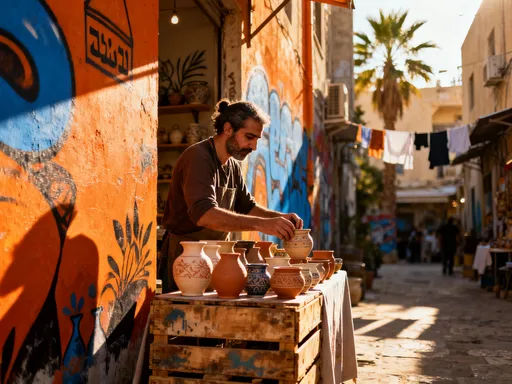
Supporting local artisans directly—rather than buying mass-produced souvenirs from hotels—ensures that your spending benefits communities. Purchasing a handwoven mat or a piece of pottery from a market vendor contributes to economic resilience and cultural preservation. Avoiding exploitative experiences, such as staged ceremonies or ‘tribal shows’ designed solely for entertainment, is equally important. Authentic culture is not a performance; it is lived. When in doubt, travel with guides affiliated with community cooperatives or cultural organizations that prioritize education over spectacle.
The long-term impact of respectful tourism can be profound. When communities benefit directly from visitors, they are more likely to preserve their traditions and pass them on. Cultural tourism, done right, becomes a form of empowerment—not just for hosts, but for travelers who gain deeper understanding. It fosters mutual respect and global awareness, one thoughtful interaction at a time. In Suva, where culture is not a commodity but a way of life, the most meaningful souvenirs are not things you can carry home, but the perspectives you bring back.
Conclusion
Suva isn’t about ticking boxes – it’s about opening doors. The true value of traveling here lies not in seeing, but in understanding. By slowing down and engaging with Fijian culture on its own terms, you gain more than memories; you gain perspective. This is travel that changes you – quietly, deeply, and for good. Whether you’re sipping kava in a village, listening to stories under a thatched roof, or wandering through a market alive with color and sound, you’re not just a guest. You’re part of a shared moment in a living culture. And that, more than any postcard view, is what makes Suva unforgettable.