How Exercise Quietly Shields Your Body — A Real Talk on Staying Ahead of Disease
You don’t need a diagnosis to start protecting your health. I’ve seen how daily movement reshapes not just bodies, but long-term outcomes. It’s not about extreme workouts — it’s consistency, science, and smart choices. From lowering inflammation to boosting immunity, exercise works behind the scenes in powerful ways. This is preventive healthcare in action: simple, proven, and within reach. Let’s explore how staying active helps you stay ahead.
The Hidden Shield: Understanding Preventive Healthcare
Preventive healthcare is often associated with annual check-ups, blood tests, and vaccinations — important tools, yes, but only part of the full picture. True prevention begins much earlier, in the daily choices that shape your body’s resilience over time. It’s about creating an internal environment where disease finds it harder to take root. Lifestyle factors such as physical activity, nutrition, sleep, and stress management form the foundation of this approach. Unlike reactive medicine, which responds to illness after it appears, preventive care focuses on reducing risk before symptoms emerge.
Modern life, with its long hours of sitting, processed foods, and constant demands, places chronic stress on the body. When this becomes the norm, biological systems begin to wear down. Inflammation levels rise, insulin sensitivity declines, and the immune system becomes less efficient. These changes don’t always show up on a lab report right away, but they set the stage for conditions like heart disease, type 2 diabetes, and certain cancers. Inactivity accelerates this process, while movement helps counteract it.
Shifting from a reactive to a proactive mindset about health is one of the most powerful changes a person can make. Waiting until a diagnosis forces action often means starting from a place of loss — lost function, lost energy, or lost time. The cost isn’t just measured in medical bills, but in quality of life, independence, and peace of mind. Prevention doesn’t require perfection. It requires awareness and small, consistent steps that add up over years.
What matters most is sustainability. A short-term, intense effort that leads to burnout won’t provide lasting protection. Instead, the goal is to build habits that fit naturally into daily life — walking after meals, stretching in the morning, standing while talking on the phone. These choices may seem minor, but collectively, they signal to the body that it is supported, valued, and protected. Preventive healthcare, at its core, is a daily commitment to long-term well-being.
Why Movement Matters: The Science Behind Exercise and Disease Risk
The connection between physical activity and reduced disease risk is one of the most well-documented findings in modern medicine. Study after study shows that people who engage in regular movement have significantly lower chances of developing chronic conditions. For example, consistent exercise is linked to a reduced risk of heart disease, the leading cause of death worldwide. It also plays a key role in preventing type 2 diabetes by improving how the body manages blood sugar. Even certain cancers — including breast and colon — are less likely to develop in those who stay active.
These benefits are not just about weight control, though maintaining a healthy weight is certainly a factor. The real power of exercise lies in what happens at the cellular and molecular level. When you move, your muscles contract and require energy. This process triggers a cascade of biological responses. Insulin sensitivity improves, meaning your cells respond better to insulin and manage glucose more efficiently. This is crucial because insulin resistance is a key driver of metabolic disease.
Inflammation, often called the silent driver of chronic illness, also decreases with regular physical activity. While acute inflammation is a normal and necessary part of healing, chronic low-grade inflammation damages tissues over time and is linked to heart disease, arthritis, and neurodegenerative conditions. Exercise helps regulate the immune system, reducing the production of pro-inflammatory molecules and increasing anti-inflammatory signals. This balance shift is one way movement quietly protects the body from internal damage.
Another remarkable effect of exercise is its influence on circulation. Physical activity strengthens the heart muscle, improves blood vessel flexibility, and helps maintain healthy blood pressure. Better blood flow means more oxygen and nutrients reach tissues, while waste products are removed more efficiently. This supports every organ system, from the brain to the kidneys. Additionally, emerging research suggests that exercise can influence gene expression — turning on protective genes and turning off those linked to disease. This field, known as epigenetics, shows that lifestyle choices can literally shape how our DNA behaves.
Immune function also improves with regular movement. Moderate exercise enhances the surveillance of immune cells, helping the body detect and respond to threats more effectively. While extreme endurance exercise can temporarily suppress immunity, the kind of daily activity most people can achieve — such as walking, gardening, or light strength training — strengthens immune resilience over time. In this way, exercise acts as a natural immune booster, preparing the body to defend itself before threats arise.
Types of Exercise That Actually Prevent Illness
Not all exercise is the same when it comes to disease prevention, and understanding the unique benefits of different types can help you make smarter choices. The four main categories — aerobic, strength, flexibility, and balance training — each support different aspects of health. Together, they create a comprehensive defense system that protects the body across multiple fronts. The goal isn’t to master all at once, but to gradually include elements of each in a way that feels manageable and sustainable.
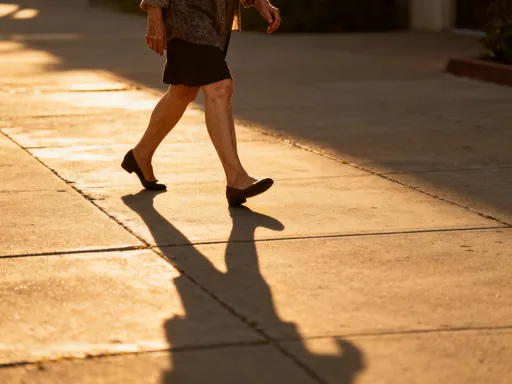
Aerobic exercise, often called cardio, is especially effective for heart and lung health. Activities like brisk walking, cycling, swimming, or dancing increase heart rate and breathing, improving cardiovascular endurance. This type of movement helps lower blood pressure, reduce bad cholesterol, and improve circulation. Over time, it decreases the risk of heart attack and stroke. For many women in their 30s to 50s, brisk walking is an ideal starting point — it requires no special equipment, can be done almost anywhere, and fits easily into a daily routine, such as walking the dog or taking a lunch break outdoors.
Strength training, sometimes overlooked, plays a vital role in metabolic health. As we age, we naturally lose muscle mass, a process that begins as early as our 30s. This loss slows metabolism and makes blood sugar control more difficult. Resistance exercises — whether using body weight, resistance bands, or weights — help preserve and build muscle. This not only supports physical strength but also improves insulin sensitivity, reducing the risk of type 2 diabetes. Even two sessions per week can make a meaningful difference in long-term health.
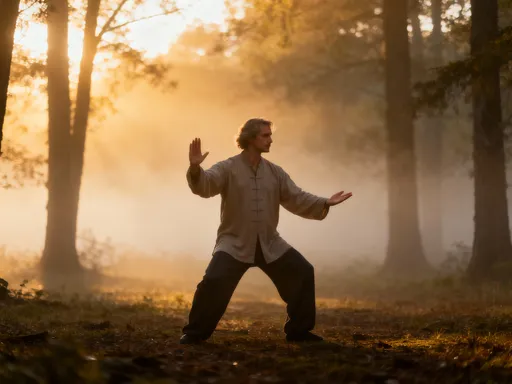
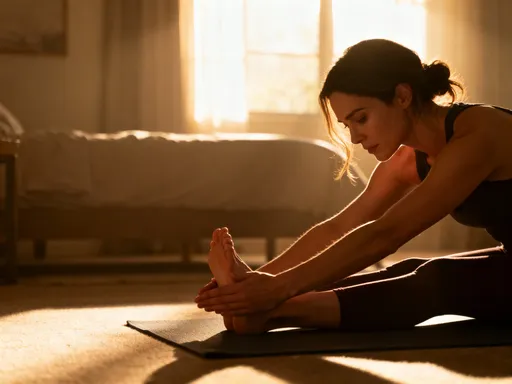
Flexibility and balance exercises are equally important, especially as part of a preventive strategy. Stretching routines, yoga, or tai chi improve joint mobility and reduce stiffness. They also help prevent falls, which become a greater risk with age. Good balance supports independence and reduces injury, while improved flexibility can ease everyday movements like bending, reaching, or lifting. These forms of movement also promote relaxation and body awareness, contributing to mental well-being.
The key is not to focus on achieving elite fitness, but on consistency and variety. Public health guidelines suggest a mix of these types for optimal protection, but even small amounts of each can offer benefits. For example, a 20-minute walk three times a week, combined with a few bodyweight squats and stretches at home, can begin to shift the body’s trajectory toward better health. The goal is to find activities that feel enjoyable and sustainable, not exhausting or intimidating. Prevention works best when it becomes a natural part of life, not a chore.
Small Habits, Big Impact: Building Consistency Without Burnout
One of the biggest obstacles to regular exercise isn’t lack of knowledge — it’s lack of time, energy, or motivation. Many women in their 30s to 50s juggle work, family, and household responsibilities, leaving little room for structured workouts. The idea of an hour at the gym can feel unrealistic. But the good news is that effective prevention doesn’t require long, intense sessions. In fact, research shows that short bursts of activity, when done consistently, can provide significant health benefits.
The concept of habit stacking — linking a new behavior to an existing one — can make movement easier to integrate. For example, doing a few stretches while the coffee brews, or taking a five-minute walk after each meal, turns routine moments into opportunities for health. Micro-workouts, such as two minutes of marching in place during a TV commercial break, add up over the day. These small efforts may not feel like “real” exercise, but they contribute to daily energy expenditure and keep the body active.
Environmental design is another powerful tool. Simple changes, like placing walking shoes by the door, keeping resistance bands in the living room, or setting a reminder to stand every hour, reduce the friction of getting started. When the environment supports the habit, motivation becomes less of a barrier. The goal is to make movement convenient, not something that requires planning, special clothes, or a trip to the gym.
It’s also important to let go of the all-or-nothing mindset. Skipping a day doesn’t mean failure. Progress isn’t measured by perfection, but by persistence. A 10-minute walk is better than no walk. Two sets of squats are better than none. Over time, these small efforts build momentum. The body responds to frequency — moving most days of the week sends a positive signal, even if each session is brief.
Burnout often happens when people start too fast or aim too high. Starting with just five or ten minutes a day, and gradually increasing, is more sustainable than trying to do 30 minutes every day from the start. Celebrating small wins — like feeling more energy or sleeping better — helps reinforce the habit. The focus should be on how movement makes you feel, not just how it changes your appearance. When exercise becomes a source of energy rather than exhaustion, it’s more likely to last.
Beyond the Gym: How Lifestyle Movement Adds Up
Exercise doesn’t only happen during a workout. A growing body of research highlights the importance of non-exercise activity thermogenesis (NEAT) — the calories burned through everyday movement like standing, walking, fidgeting, or doing household chores. For many people, NEAT contributes more to daily energy expenditure than formal exercise. This means that how you live your day — not just how you train — plays a major role in disease prevention.
Modern jobs, especially those that involve sitting at a desk for hours, significantly reduce NEAT. Prolonged sitting is linked to higher risks of heart disease, diabetes, and even early mortality, independent of whether a person exercises. The body is designed to move, and long periods of inactivity send negative signals to metabolism and circulation. However, small changes can counteract these effects. Standing up every 30 to 60 minutes, even for just a minute, helps reset circulation and muscle activity.
Simple strategies can increase daily movement without adding time to your schedule. Parking farther from the store entrance, taking the stairs instead of the elevator, or walking to a colleague’s desk instead of sending an email all add up. Walking meetings, whether alone or with a family member, combine social connection with physical activity. Gardening, cleaning, or playing with children also count as movement. These activities may not feel like exercise, but they keep the body engaged and support metabolic health.
The key is to think of movement as a lifestyle, not a separate event. Instead of waiting for the “right time” to be active, look for opportunities throughout the day. Every step, every stand, every stretch contributes to your body’s resilience. Over time, these small choices create a protective effect that formal workouts alone cannot provide. Prevention isn’t just about what you do for 30 minutes — it’s about how you move (or don’t move) in the other 23.5 hours.
Mind-Body Connection: Stress, Sleep, and Immune Resilience
Physical activity does more than strengthen muscles and improve circulation — it also supports mental and emotional health, which are deeply connected to physical resilience. Chronic stress, a common experience for many women balancing multiple roles, triggers the release of hormones like cortisol and adrenaline. While these are useful in short bursts, long-term elevation can suppress immune function, increase inflammation, and disrupt sleep. Exercise helps regulate this system by reducing stress hormone levels and promoting the release of endorphins, natural mood enhancers.
Sleep quality is another area where movement makes a difference. Poor sleep is linked to a higher risk of obesity, heart disease, and depression. Regular physical activity helps people fall asleep faster and enjoy deeper, more restorative sleep. It also helps regulate the body’s internal clock, especially when movement happens during daylight hours. Morning or afternoon walks, in particular, can strengthen circadian rhythms and improve nighttime rest.
The immune system benefits from this mind-body balance. Chronic stress and poor sleep weaken immune surveillance, making the body more vulnerable to infections and slower to heal. Exercise, when done at a moderate level, enhances immune cell circulation and activity. It also reduces the duration and severity of common illnesses like colds. This doesn’t mean pushing through fatigue or illness — rest is also part of prevention — but maintaining a consistent, moderate routine supports long-term immune resilience.
Mood and mental well-being are equally important. Anxiety and low mood can drain energy and make healthy choices harder. Physical activity, even in small amounts, can improve focus, reduce feelings of overwhelm, and increase a sense of control. This creates a positive feedback loop: feeling better mentally makes it easier to stay active, which in turn supports better mental health. Prevention, therefore, isn’t just physical — it’s emotional and psychological too.
Making It Yours: Creating a Personal Prevention Plan
Starting a prevention-focused movement routine doesn’t require a one-size-fits-all approach. The most effective plan is one that fits your life, energy levels, and preferences. Begin by assessing your current activity — not to judge, but to understand. Do you walk regularly? Do you stand or sit most of the day? Are there moments when you feel stiff or low on energy? These observations can guide your next steps.
Choose one realistic change to start with. It could be a 10-minute walk after dinner, five minutes of stretching in the morning, or taking the stairs at work. The goal is not to overhaul your life overnight, but to build a foundation. Track progress not by weight or numbers, but by how you feel — more energy, better sleep, improved mood, or easier movement. These are meaningful signs that your body is responding.
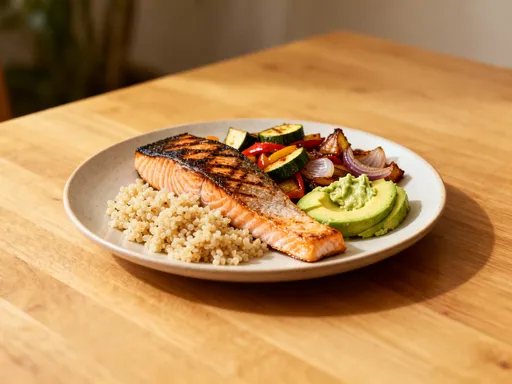
Pair your movement habit with other supportive behaviors. Staying hydrated, eating balanced meals, and scheduling routine health check-ups all work together to strengthen your defense system. Movement is powerful, but it’s most effective when part of a holistic approach. For example, better sleep can increase motivation to move, and regular activity can improve digestion and appetite regulation.
Always consult with a healthcare provider before starting a new exercise program, especially if you have existing health conditions. This is not a substitute for medical advice, but a complement to it. A doctor or physical therapist can help tailor recommendations to your needs. The goal is to work with your body, not against it, using movement as a tool for long-term protection.
Remember, the best exercise is the one you can do consistently. It doesn’t have to be fast, hard, or long. It just has to happen. Over time, these daily choices become your quiet shield — a defense built not in a single moment, but through years of small, intentional acts. Prevention is not about fear of disease, but about care for your future self.
Exercise isn’t just about looking better — it’s one of the most powerful tools we have to protect ourselves before problems start. By moving regularly, we send positive signals to every system in the body. This is preventive healthcare at its most accessible and effective. Start small, stay consistent, and let your daily choices become your long-term defense.